







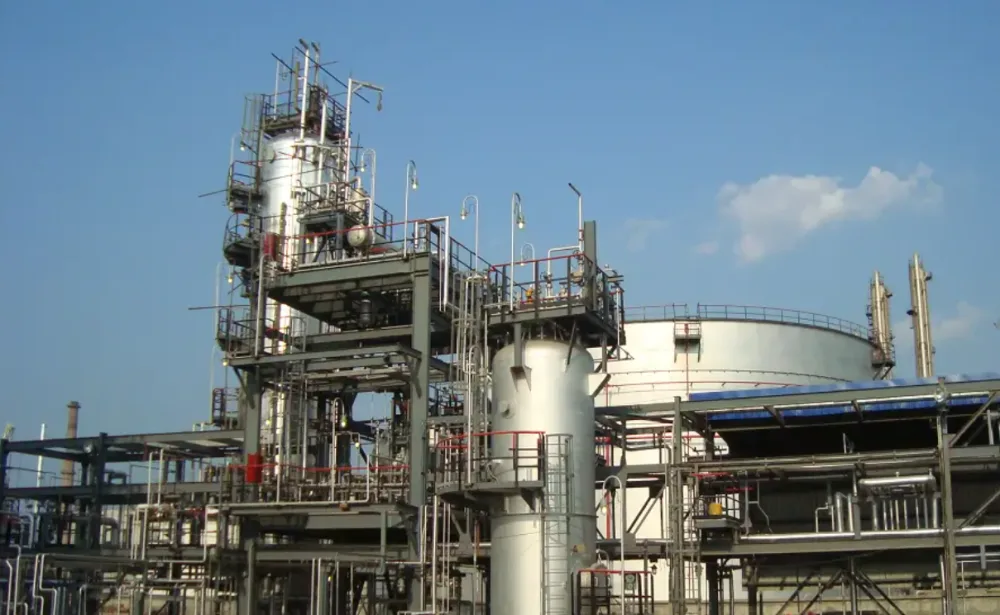
A team of international engineers from Sanjiang Chemicals and New Future Group has commenced a comprehensive technical assessment of the Warri Refining and Petrochemical Company. The audit is designed to catalog necessary infrastructure upgrades, machinery replacements, and structural overhauls required to transition the idle asset back into commercial production. The state-backed oil firm intends to utilize these engineering findings as the definitive baseline for a upcoming Final Investment Decision (FID) regarding a long-term modernization and joint-operational framework.
Corporate Strategy and Asset Protection
The national oil company is defending the strategic value of the asset amid public scrutiny:
-
The Rehabilitation Model: Group Chief Executive Officer Bayo Ojulari stated that the initiative introduces a completely new business structure. Under the proposed contract, the Chinese engineering firms will entirely finance and manage the facility’s day-to-day operations, while equity ownership remains fully with the Nigerian government.
-
Petrochemical Pivot: To shield the facility from volatile fuel price margins and enhance long-term balance sheet sustainability, the modernized layout will place a significant operational emphasis on industrial petrochemical manufacturing rather than basic petroleum refining.
-
Scrap Claims Dismissed: Management strongly rejected public demands to liquidate the Warri refinery as scrap metal following its brief operational run and subsequent shutdown last year. The company clarified that all existing plant machinery remains intact and protected under the rehabilitation master plan, denying rumors of unauthorized asset dismantling.
Civil Society Backlash Amid Transparency Demands
The foreign intervention has met with immediate resistance from domestic accountability groups. The Civic Centre for Independent Forensic Activists has publicly demanded leadership changes at the national oil company, criticizing the signing of the fresh Memorandum of Understanding (MoU) with the Chinese firms. The coalition argues that entering new international operational agreements without publishing full forensic audits of previous multi-billion-dollar refinery turnaround maintenance projects continues to undermine public institutional trust.


