





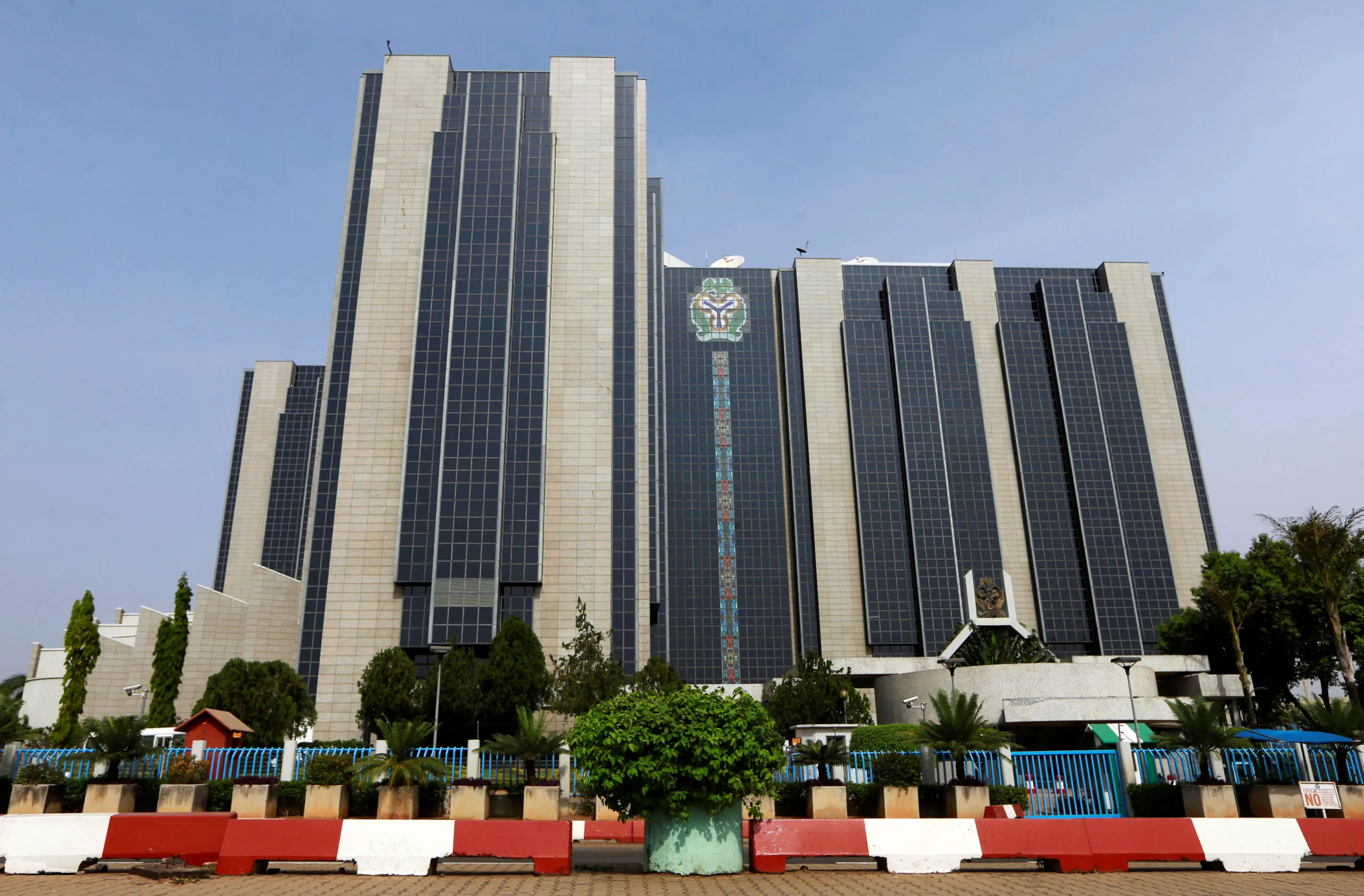
The Central Bank of Nigeria (CBN) has officially disclosed the country’s Net Foreign Exchange Reserves (NFER), following repeated calls for transparency. As of December 2024, Nigeria’s NFER rose dramatically to $23.11 billion, marking the highest level in over three years. This increase comes after a significant jump from $3.99 billion at the end of 2023, $8.19 billion in 2022, and $14.59 billion in 2021.
Understanding Net External Reserves (NFER)
The NFER is a key indicator of Nigeria’s available foreign exchange buffers to meet immediate external obligations. Unlike gross reserves, which include liabilities such as FX swaps and forward contracts, the NFER is adjusted to account for near-term liabilities, offering a more accurate picture of the country’s liquidity.
Gross External Reserves Also Increase
In addition to the impressive NFER growth, Nigeria’s gross external reserves stood at $40.19 billion as of December 2024, a significant increase from $33.22 billion the previous year. This boost in reserves reflects the CBN’s strategic policy moves to reduce short-term foreign exchange liabilities and bolster investor confidence.
CBN’s Strategy Behind the Growth
CBN Governor Olayemi Cardoso attributed this growth to deliberate policy decisions aimed at rebuilding confidence in the foreign exchange market, reducing vulnerabilities, and strengthening the country’s reserves. He emphasized that the increase in reserves was not accidental but the result of policies to improve liquidity and market stability.
Key Drivers of Reserve Growth
Several factors contributed to the improved NFER position:
-
Reduction in short-term FX liabilities: The CBN took steps to minimize exposure to high-risk obligations such as swaps and forward contracts, which previously placed pressure on liquidity.
-
Increased FX inflows from non-oil sources: A significant rise in foreign exchange inflows from non-oil sectors also contributed to the stronger reserve position.
-
Reforms to rebuild trust: The CBN implemented measures to restore confidence in the FX market, which encouraged more sustainable and stable inflows.
Positive Outlook for 2025
Looking ahead, the CBN is optimistic about sustaining the positive trend in 2025. While there may be some seasonal adjustments in the first quarter, including interest payments on foreign-denominated debt, the underlying economic fundamentals remain strong. The CBN projects that reserves will continue to rise, driven by improvements in oil production and a more favorable export environment, especially in non-oil sectors.
Governor Cardoso reiterated the CBN’s commitment to prudent reserve management, transparent reporting, and macroeconomic policies that will attract investment and support long-term economic resilience.
Conclusion
Nigeria’s rising Net External Reserves are a reflection of the CBN’s effective policy measures aimed at improving foreign exchange stability and investor confidence. The positive growth trajectory of the reserves is expected to continue into 2025, providing a more resilient economic foundation for the country.