





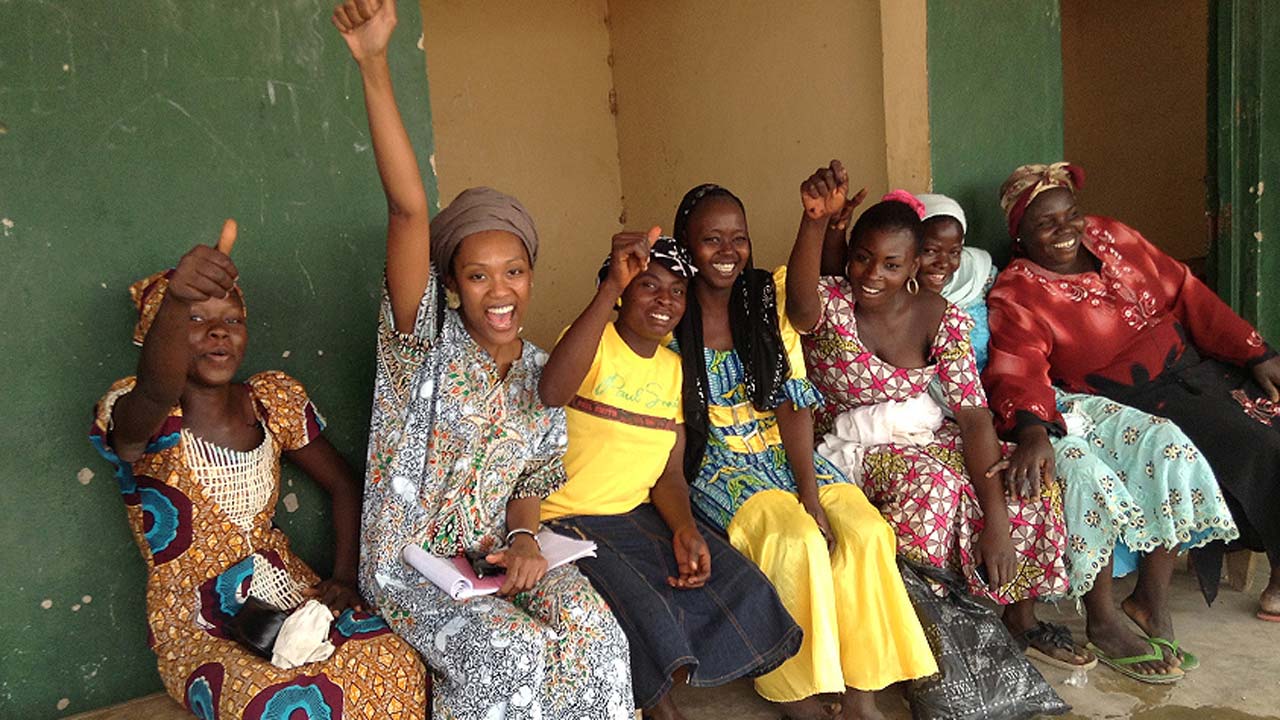
While women now steer an impressive 72% of Nigeria’s 39.6 million MSMEs, a massive ₦2.9 trillion financing shortfall continues to hinder their potential. Despite dominating the small business landscape—a sector responsible for nearly half of the national GDP and 80% of employment—female entrepreneurs remain significantly underserved by traditional credit markets compared to men.
Gloria Onosode, Director of Enterprise Sales at FairMoney Business, argues that closing this gender-based lending gap is not just a social cause but a mandatory economic strategy if Nigeria is to reach its $1 trillion economy target by 2030.
The New Face of Nigerian Enterprise
Data from the National Bureau of Statistics (NBS) and SMEDAN reveal a dramatic demographic shift in business ownership.
-
Ownership Surge: Female leadership in MSMEs has climbed from roughly 40% in previous years to a dominant 72%.
-
Micro-Engine Growth: Much of this rise is driven by “nano” and home-based businesses, which provide essential community stability and local jobs.
-
The “Multiplier Effect”: Research indicates that women reinvest up to 90% of their earnings into healthcare, education, and family nutrition, making their success a direct investment in the nation’s human capital.
Barriers to Scaling
Despite their entrepreneurial spirit, most women-led firms are trapped in a “savings and family” funding loop. The World Bank IFC Nigeria2Equal initiative highlights that while Nigeria boasts one of the world’s highest rates of female entrepreneurship, the ₦2.9 trillion credit gap prevents these businesses from moving beyond the micro-stage.
Onosode noted that structural hurdles often force women to rely on informal financial systems, which lack the security and growth potential of regulated banking.
Digital Solutions and the Path Forward
To combat these challenges, fintech leaders like FairMoney Microfinance Bank are pushing for a transition toward digital financial tools. By moving from “under-the-mattress” cash hoarding to interest-bearing digital accounts, women can:
-
Build a Financial History: Creating the paper trail necessary to qualify for formal loans.
-
Enhance Resilience: Utilizing digitized savings to weather economic volatility.
-
Drive Innovation: Freeing up capital to modernize operations in sectors like retail and agriculture.
Ultimately, the consensus among experts is clear: the roadmap to a $1 trillion Nigeria is paved by the resilience of its female business owners. Empowering them with the capital they currently lack is the most efficient way to accelerate national prosperity and ensure long-term economic stability.


