







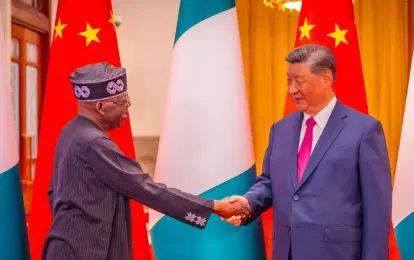
Lagos, Nigeria – As Nigeria prepares to host the October Nigeria-China Sustainable Business Summit, the arrival of 216 Chinese investors has sparked both optimism and unease. While the delegation promises much-needed foreign capital, analysts warn Nigeria risks deepening its $10.8 billion trade deficit with China unless negotiations prioritize technology transfer, local jobs, and value-added industries.
The Chinese Playbook
-
Trade Imbalance: Nigeria exported $12.2B in crude oil (2023) but imported $23B in Chinese manufactured goods.
-
Debt-Funded Projects: BRI loans (like the $4.73B Nigeria owes China) often mandate Chinese contractors, limiting local benefits.
-
Precedents: Sri Lanka’s Hambantota Port and Zambia’s copper mines show the risks of debt-driven deals.
Nigeria’s Strategic Imperatives
Demand tech transfers – No more “dig-and-ship” raw material exports
Protect critical sectors – Telecom, data, and minerals must remain sovereign
Fix fundamentals – Unreliable power and bureaucracy repel quality FDI
“We must move from an extractive to a transformative partnership,” urged Dr. Ngozi Okonjo-Iweala, Director-General of the WTO. “Chinese investment should build Nigerian capacity, not just infrastructure.”
The Stakes
By 2050, Nigeria’s 400 million population will need an economy powered by industrialization, not imports. The summit could redefine this future—if Nigeria negotiates from strength, not desperation.


