





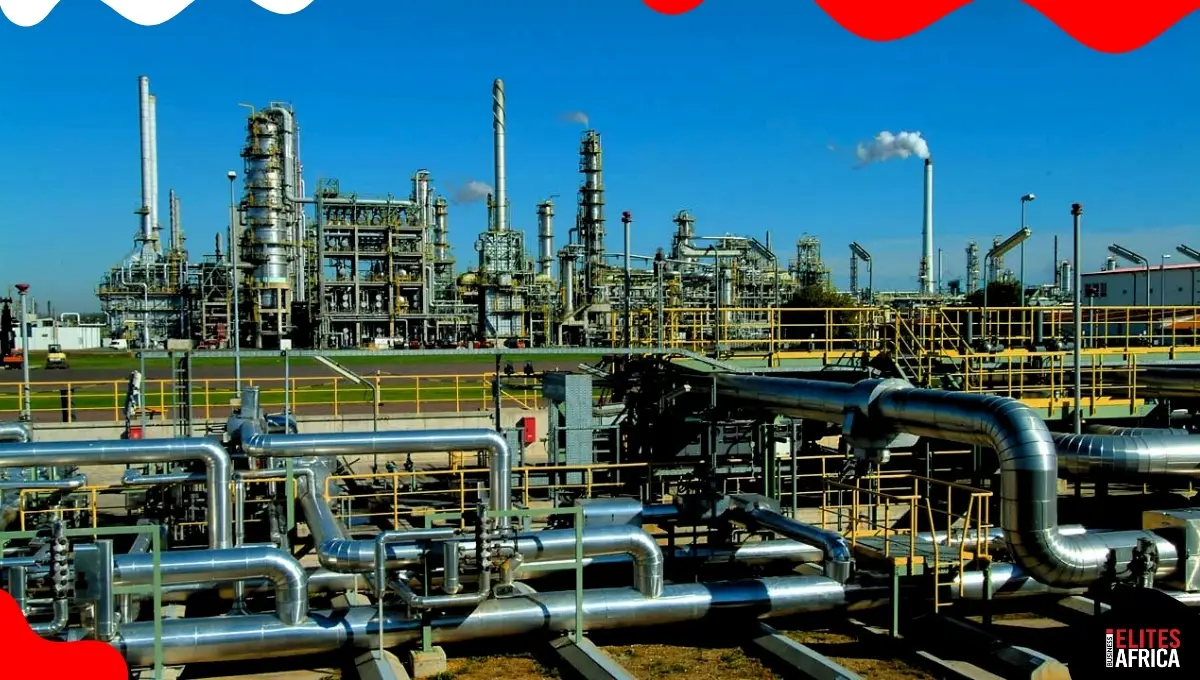
Lagos, Nigeria – In a bold challenge to federal policymakers, Nigeria’s manufacturing sector has demanded the immediate privatization of all state-owned refineries, arguing that continued government operation constitutes an economic drain on the nation’s resources.
The Hard Numbers Behind the Demand
$25 Billion Wasted: Estimated refinery maintenance costs since 2010
72% Downtime: Average operational capacity of state refineries (2020-2024)
40% Cost Burden: Manufacturers’ energy expenses eating into competitiveness
Dangote Effect: The Private Sector Blueprint
The 650,000 bpd Dangote Refinery has become the benchmark for success:
✓ 30% reduction in diesel prices since February 2025
✓ 14 new industrial clusters emerging around refinery corridor
✓ $1.2B annual FX savings from reduced fuel imports
“Why is government still in a business where private players clearly outperform?” asked MAN DG Segun Ajayi-Kadir during his television appearance.
The Four Refineries in Focus
-
Port Harcourt (210,000 bpd): $1.5B renovation yet to yield commercial production
-
Warri (125,000 bpd): Operated at 8% capacity in 2024
-
Kaduna (110,000 bpd): Requires 90km diesel haulage to function
-
NNPC Trading Arm: Still imports 40% of petrol despite Dangote operations
Manufacturers’ Survival Calculus
• Logistics Win: 22% transport cost drop for factory goods
• Energy Shift: 580 manufacturers switching to CNG
• Production Boost: 18% output increase in Q2 2025
“Subsidy removal was bitter medicine, but local refining is the sweet aftertaste,” Ajayi-Kadir noted, revealing 63% of MAN members now source domestically.
The Privatization Roadmap
MAN proposes:
-
Immediate concession of Port Harcourt refinery to international operators
-
Asset stripping and sale of Kaduna refinery to northern industrialists
-
Complete divestment in Warri refinery to Niger Delta investors
-
NNPC transformation to pure regulator role
Counterarguments & Risks
Monopoly Concerns: Dangote controls 65% of domestic refining
Job Loss Fears: 12,000 direct refinery staff at risk
Security Implications: Critical infrastructure in private hands
“Let’s not replace state inefficiency with private oligarchs,” warned Energy Analyst Nnimmo Bassey, suggesting hybrid models.
Government’s Next Move
With manufacturers contributing 9% to GDP, their demands carry weight. The ball now lies with:
• Presidency: Weighing political vs economic calculus
• National Assembly: Drafting new petroleum reform bills
• Labour Unions: Balancing jobs vs fuel price concerns
Industry Verdict: “Every day government delays, Nigeria loses $3 million in potential savings,” calculates energy economist Dolapo Oni.
By the Numbers:
• 4.2 million jobs tied to manufacturing sector
• $7.8B potential investment from refinery sales
• 60% projected drop in fuel imports by 2026 if privatized


