







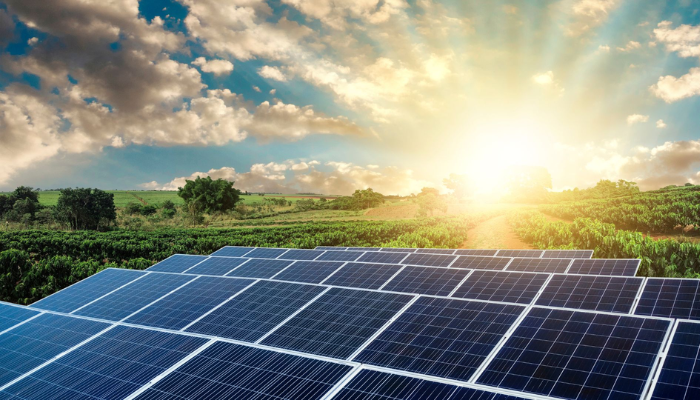
A cross-border tech alliance between the Hertfordshire Business School and Nigerian manufacturer MHUB has led to the deployment of a new decentralized energy solution tailored for remote sub-Saharan regions. Dubbed the Powerbox SE, the small-scale, self-charging solar unit was designed to bypass central grid infrastructure deficits. The device provides a stable power alternative for off-grid communities, allowing small businesses and households to run everyday items without fossil-fuel generator costs.
The roll-out highlights a growing focus on clean energy solutions across rural demographics:
-
Targeted Grassroots Field Testing: Led by Professor Hafiz Alaka, Director of the Big Data Technologies and Innovation Lab at the University of Hertfordshire, the project launched its initial phase with backing from Innovate UK. A pilot test is already under way in Kaduna State, where 70 active units are being used by market stallholders and families to run laptops, fans, blenders, and washing machines.
-
Localized Production Ecosystems: To minimize exposure to foreign exchange volatility and international shipping bottlenecks, the hardware is built using components that are sourced and assembled within Nigeria through Powerbox Energy Systems Nigeria. This approach cuts ongoing maintenance requirements, eliminates daily running fees, and allows the device to fully charge within eight to ten hours of sunlight exposure.
-
Broader Agri-Tech Initiatives: The solar device aligns with a wider research push by Professor Alaka, who recently secured over $2 million in United Nations funding to develop So-Cool. This separate AI-driven, solar-powered refrigeration system aims to curb post-harvest losses and improve food security by extending the shelf life of produce for smallholder farmers. The development team is currently seeking external venture capital partners to scale the manufacturing of both units across broader sub-Saharan markets.


