




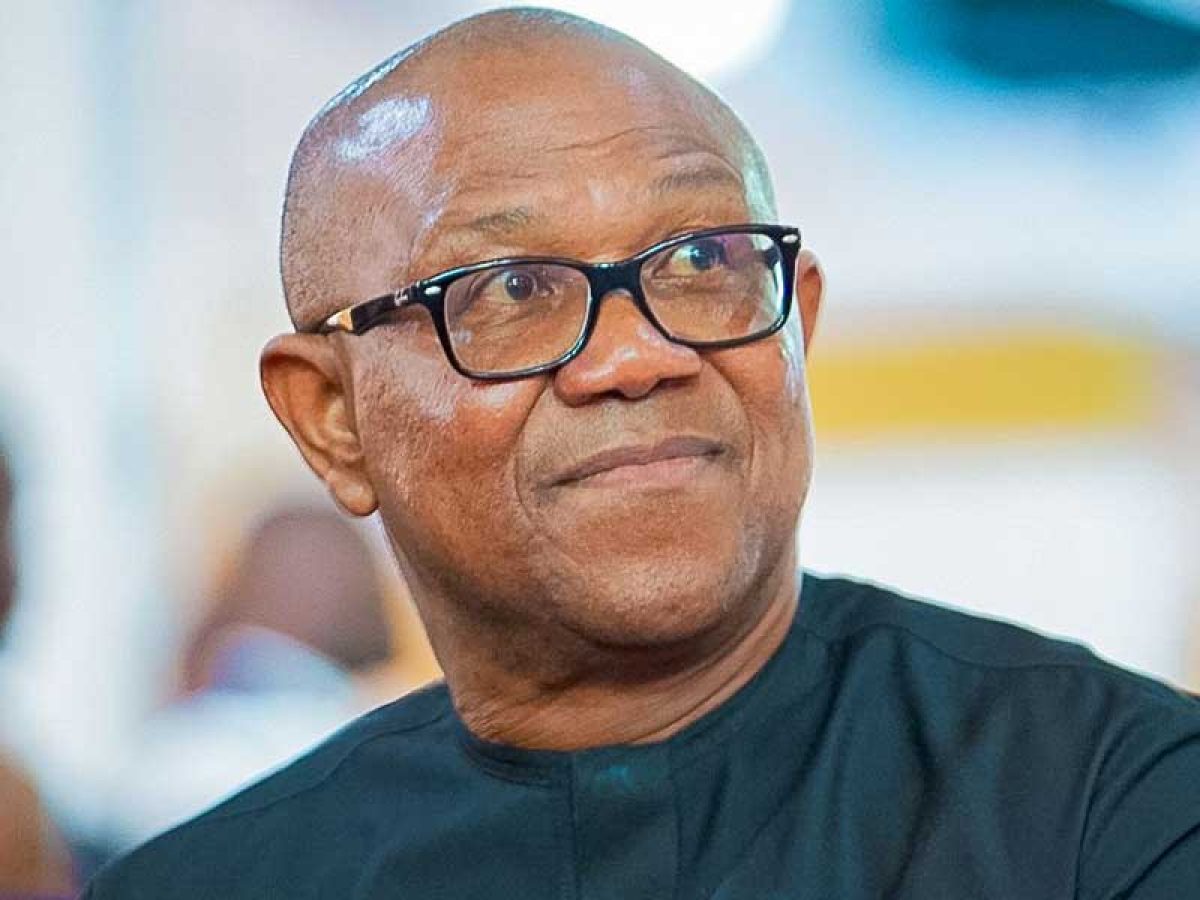
Peter Obi, the 2023 Labour Party presidential candidate, has urged the Nigerian government to make immediate and strategic investments in human development if the country is to reverse its deepening poverty crisis.
In a post shared on X (formerly Twitter) on Tuesday, Obi expressed concern over the worsening economic conditions confronting millions of Nigerians. Citing recent data from the World Bank, he noted that poverty levels are expected to rise steadily through 2027 unless meaningful interventions are made.
Refocusing National Priorities
Obi emphasized that genuine progress will only come when the country begins to prioritize essential services like education, healthcare, and support for small and medium-sized enterprises. He argued that a sustained pattern of poor decision-making and misplaced priorities has pushed Nigeria into its current economic turmoil.
“We must rethink what truly matters to our people,” Obi wrote. “Our national spending, infrastructure projects, and policy focus must reflect the urgent needs of Nigerians—not vanity projects or elite conveniences.”
Condemning Extravagance Amid Hardship
The former Anambra State governor criticized the persistent allocation of resources to non-essential government projects such as luxury official residences, excessive fleets of vehicles, and underutilized conference centers. He argued that such expenses offer little benefit to the wider population and do nothing to address the foundational causes of poverty.
“These are not the investments that build nations,” he said. “Instead of showcasing wasteful infrastructure, we should be strengthening our schools, hospitals, and economic safety nets.”
A Growing Emergency
Obi’s remarks come amid a growing economic storm triggered by government reforms, rising inflation, and currency devaluation. According to the World Bank, the number of Nigerians living in poverty surged from 104 million in 2023 to 129 million in 2024, reflecting a sharp deterioration in living standards.
While poverty has historically plagued rural areas, recent figures reveal it is now expanding rapidly in urban centers. Over 75% of rural Nigerians and more than 40% of the urban population are currently living below the poverty line.
“What we’re seeing is no longer just a rural problem—it’s a national crisis,” Obi warned. “This rise in poverty didn’t happen by chance. It’s a direct outcome of systemic neglect and poor governance.”
Call for Targeted Action
Obi called on federal, state, and local governments to shift focus toward policies that promote inclusive economic growth. He urged them to increase funding for education, expand access to healthcare, and implement poverty-reduction strategies that empower the most vulnerable.
“Reducing poverty isn’t just about statistics—it’s about real people, real lives, and a future we’re all responsible for shaping,” he said. “We need deliberate, compassionate, and courageous leadership to pull Nigerians out of this deepening hardship.”