







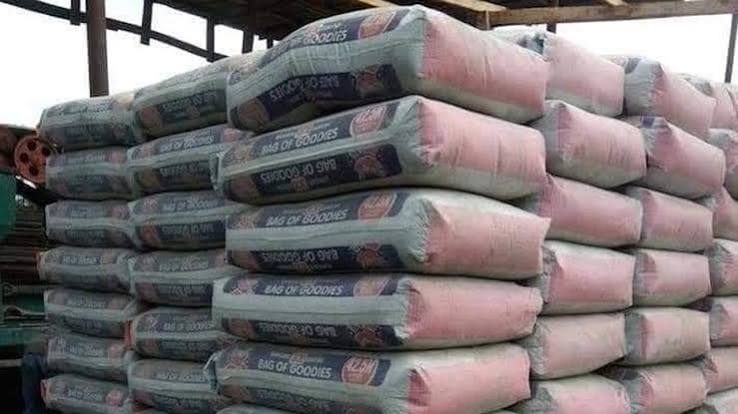
Despite boasting a dominant local production capacity exceeding 60 million metric tonnes annually—one of the highest in sub-Saharan Africa—Nigeria continues to face a major pricing paradox. In commercial hubs such as Lagos, Abuja, and Abia State, retail prices for a standard 50-kilogram bag of cement sit between ₦12,500 and ₦15,000. This rate is nearly double the average retail cost found in other competitive African markets, even though domestic demand tops out at just 25 to 30 million metric tonnes, creating a massive domestic structural surplus.
The underlying structural and economic drivers behind this domestic supply paradox include:
-
Oligopolistic Control and High Earnings: Three dominant corporate entities control over 95% of the country’s installed capacity. Market leader Dangote Cement holds an annual output capacity of 35.3 million tonnes (set to cross 41 million tonnes upon completion of its Itori facility). BUA Cement follows with 17 to 20 million tonnes, and the newly rebranded HBM Nigeria Plc (formerly Lafarge Africa, following its acquisition by China’s Huaxin Building Materials) contributes 10.5 million tonnes. These three producers reported a combined revenue of ₦6.53 trillion, with after-tax profits jumping 142% to ₦1.65 trillion, sparking public debate over corporate profit margins during a severe infrastructure crunch.
-
Surging Energy Overhead and Currency Fluctuations: Cement manufacturers maintain that production is heavily weighed down by localized infrastructure deficits. Running heavy industrial kilns requires massive amounts of power, forcing plants to rely on expensive alternative fuels, coal, natural gas, and diesel. These energy inputs saw sharp price spikes following national fuel subsidy adjustments. Additionally, while the core raw material (limestone) is entirely local, specialized machinery, factory spare parts, refractory materials, and heavy packaging lines must be imported, exposing production costs to the depreciation of the Naira.
-
Logistics Bottlenecks and Cross-Border Trade: Long-distance road distribution from localized extraction sites to far-flung consumption centers accounts for an estimated 30% to 40% of the final retail shelf price. High demand from a 16-million-unit national housing deficit minimizes any incentive for producers to lower baseline prices. Furthermore, manufacturers routinely export surplus clinker and processed cement to neighboring nations like Niger, Ghana, and Cameroon. While this trade secures valuable foreign exchange, it reduces pressure to lower prices in the domestic market.
To protect the national capital budget, Minister of Works David Umahi initiated formal executive engagements with major producers. The Ministry warned that rising materials costs force continuous project contract adjustments, making public road and bridge construction highly unstable. To address this, organizations like the Real Estate Developers Association of Nigeria (REDAN) and the Housing Development Advocacy Network (HDAN) have urged the federal government to implement specific policy remedies. These include granting concessionary energy tariffs to local manufacturers, expanding industrial gas pipeline distribution networks, and upgrading rail cargo shipping lines to replace expensive long-haul road trucks.


