

The systemic delay in paying public procurement contractors has long been a primary cause of non-performing loans ($\text{NPLs}$) and operational insolvency for small and medium-sized enterprises ($\text{SMEs}$) in Nigeria. When the state freezes payments to its suppliers, a damaging cash flow freeze ripples through the economy—causing private contractors to abandon project sites, lay off skilled labor, and default on commercial bank credit lines.
To break this cycle of fiscal stagnation, the Federal Ministry of Finance has announced an aggressive liquidity injection. The government has cleared immediate payments to more than 1,240 local contractors across several Ministries, Departments, and Agencies ($\text{MDAs}$).
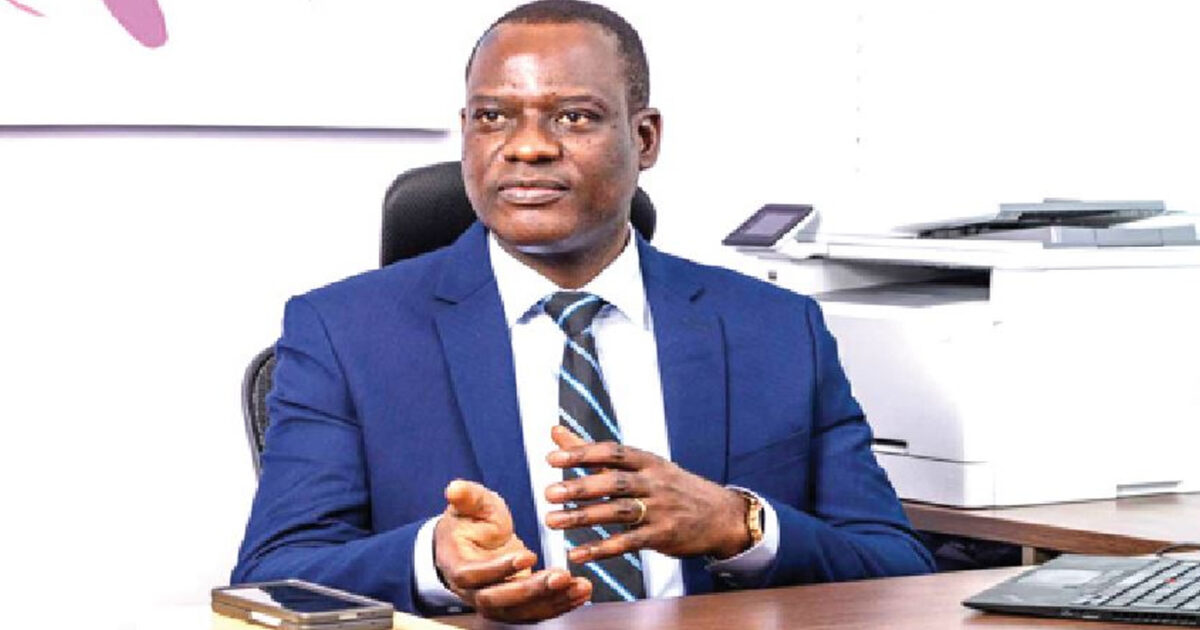
The broad release of funds, authorized by the Minister of Finance and Coordinating Minister of the Economy, Mr. Taiwo Oyedele, follows a rigorous verification and audit process designed to eliminate ghost claims and inflation-skewed invoices from the state’s liability ledger.
The ₦100 Million Threshold: Decentralizing Public Disbursements
Historically, federal debt liquidation programs have been criticized for favoring large, politically connected conglomerates, leaving smaller indigenous operators financially starved. The Ministry of Finance’s latest batch changes this approach by enforcing a strict cap of ₦100 million or less per claim.
By intentionally prioritizing smaller bills over large corporate debts, the government aims to maximize the economic velocity of the capital drop. Broadening the distribution of these funds helps small businesses across multiple regions and economic sectors regain their financial footing.
According to statements issued by the ministry’s Head of Information, Efe Ovuakporie, the fiscal acceleration over the past few months has moved significant capital:
-
The Aggregate Liquidation Run: The federal government has processed and disbursed over ₦700 billion in verified contractor obligations over the past few months.
-
The May Liquidity Surge: Approximately ₦436.6 billion of this total was processed within May 2026 alone, highlighting a major push to flush frozen cash back into the private sector.
The Velocity of Sovereign Debt Resolution
From a corporate finance perspective, resolving these inherited obligations is essential to restoring business confidence in public sector contracts. When the state delays payments, it increases the risk premium for public projects, forcing banks to charge higher interest rates or deny credit to government contractors altogether.
Maintaining Fiscal Discipline and Sovereign Trust
While this massive liquidity release will help stimulate short-term economic recovery, the Ministry of Finance emphasized that the disbursements are being managed under strict fiscal guidelines to prevent inflation. The reconciliation process requires every contractor to provide verifiable proof of project completion, valid tax clearance certificates, and audited project metrics before any funds are released.
By combining strict audit controls with timely debt payments, the federal government is working to change its reputation as a slow payer. Maintaining this disciplined approach will help substantially lower the country’s outstanding liabilities over time. More importantly, it provides local businesses with the financial certainty needed to plan long-term investments, support job creation, and drive sustainable economic growth.
