

The business of hospitality and tourism is moving away from purely real-estate-driven models toward high-touch service optimization frameworks. Across emerging markets, physical infrastructure—such as luxury hotel properties and digital booking apps—is only as valuable as the human workforce executing the service layer.
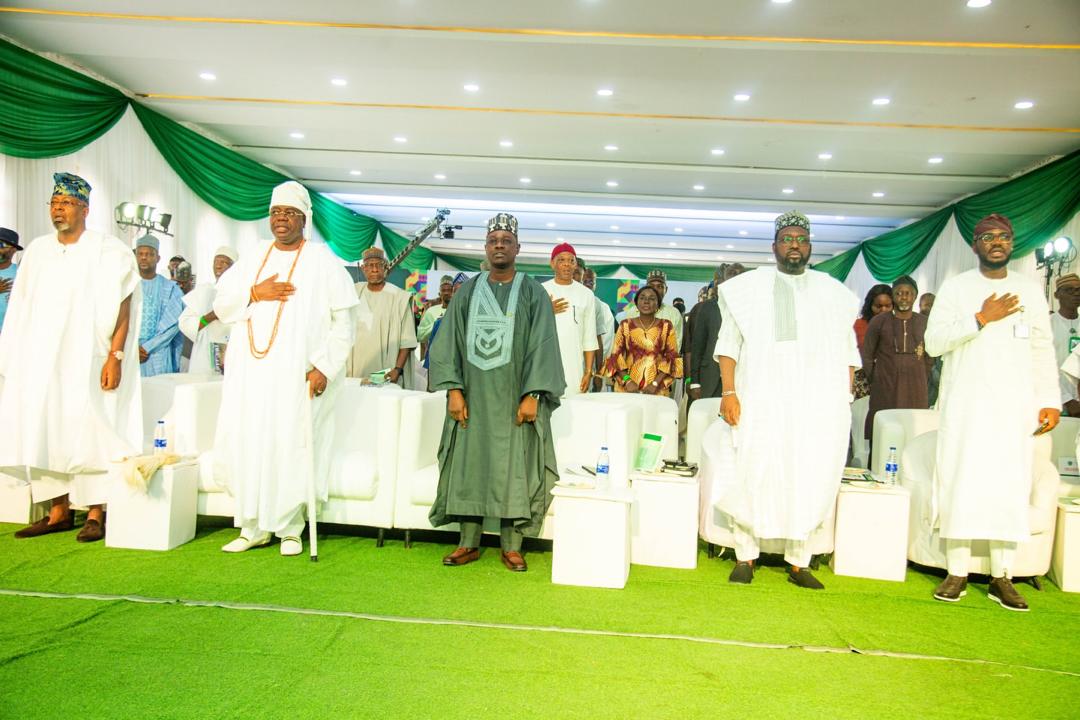
To address persistent structural inefficiencies that continue to depress corporate profit margins and slow down foreign direct investment ($\text{FDI}$), the Association of Hospitality and Tourism Consultants in Nigeria (ATHCON) convened its 2026 Annual General Meeting, Conference, and Induction Ceremony at the Lagos Sheraton Hotel and Towers.
Operating under the theme, “Resolving Inefficiency Through Strategic Synergy and Manpower Optimisation: The Case for Management Consultation,” the summit gathered tourism policymakers, asset managers, and private equity consultants to establish strict standardization metrics for the industry.
The ROI of Human Capital Mobilization
For asset owners in the leisure sector, capital allocation often heavily favors concrete infrastructure while neglecting staff development—a mismatch that directly harms guest retention.
ATHCON President, Pastor Olatunde Olaitan Oluloye, pointed out that buildings and technology merely establish the basic framework for service delivery, whereas the human element acts as the primary revenue driver:
“Bricks, mortar, and operating software build the stage, but it is highly skilled, well-incentivized, and properly deployed professionals who transform those physical assets into recurring corporate value. Long-term profitability belongs exclusively to hospitality brands that treat workforce development, competitive welfare systems, and structural upskilling as core capital expenditures.”
The Anti-Inefficiency Mandate: Enter Management Consulting
A key challenge holding back Nigeria’s hospitality space from competing with global hubs like Dubai or Nairobi is institutional leakage. Dr. Aliyu Ajayi Badaki, President of the Federation of Tourism Associations of Nigeria (FTAN), noted that undocumented operational friction, high employee turnover, and weak internal supply chain controls continue to lower the competitiveness of local operators.
To de-risk these assets, the summit emphasized the need for independent management consulting services. Rather than managing hotels based on assumptions, operators are being urged to deploy structured audits to:
-
Optimize Labor Velocity: Matching shift scheduling with predictive guest occupancy data to lower baseline labor costs.
-
Tighten Cost Control Systems: Utilizing hospitality-specific enterprise resource planning ($\text{ERP}$) systems to eliminate inventory waste.
-
Standardize Quality Metrics: Introducing strict, auditable service blueprints across front-of-house and back-of-house operations to guarantee consistent customer satisfaction.
Strengthening the Sovereign Destination Profile
From a public policy perspective, improving service standards is directly linked to foreign exchange generation. The Director-General of the Nigerian Tourism Development Authority (NTDA), Dr. Olayiwola Awakan, explained that the agency is actively building public-private partnerships ($\text{PPPs}$) to reposition Nigeria as a secure, high-yield tourist destination.
By upgrading local vocational training standards and integrating digital innovations into tourism touchpoints, the government aims to create millions of service-sector jobs, expand non-oil gross domestic product ($\text{GDP}$), and build a more resilient economic foundation.
The Professionalization Benchmark: Institutional Inductions
To reinforce these operational standards across the country, the conference concluded with the formal induction of a vetted cohort of industry operators into specialized membership cadres:
-
Honorary Fellows: Mallam Abdullahi Idris, Rosana Forsuelo, Chief Abiodun Odusanwo, and veteran hospitality consultant Trevor Ward.
-
Fellows: Olugbenga Sunday, Abolaji Kelani, Solomon Uwakwe, and Pius Obaje.
-
Inducted Members: Ebikaboere Seimodei, Funke Olusoga-Ogunlade, Joy Nyeso, Olufemi Olowoyo, Florence Oyelade Adedayo-Tayo, Sunday Omogoye Sampson, Sharafa Balogun, and Chibuikem Diala.
By expanding its network of certified management consultants and enforcing strict operational metrics, ATHCON is creating a reliable advisory pipeline. This ongoing professionalization will help local hospitality assets boost their bottom-line performance, build consumer trust, and attract sustainable capital growth in the years ahead.
