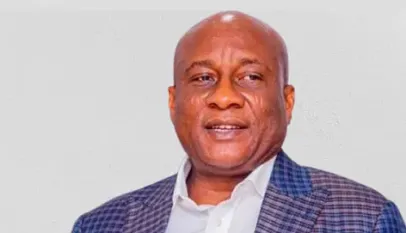




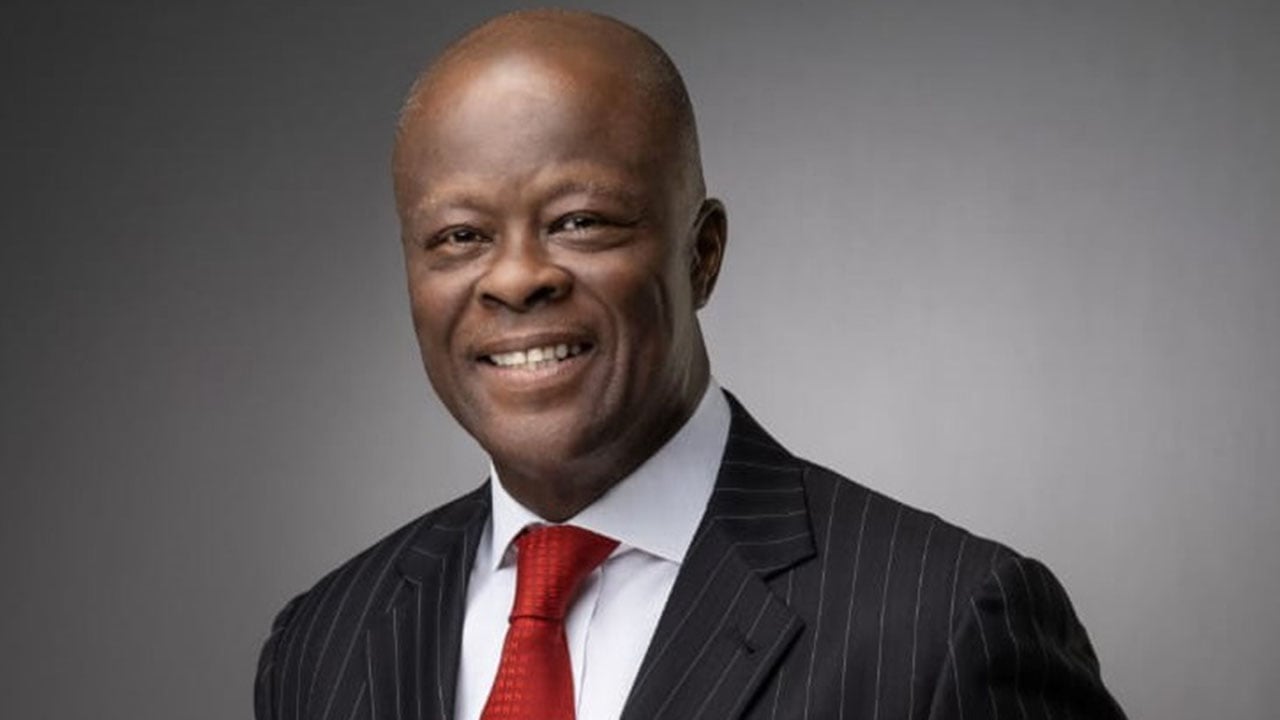
While Minister Edun’s address formally presented Nigeria’s reforms to the investment community, its underlying narrative conveyed a far more pressing argument: Africa is facing a decisive moment to avoid perpetual economic dependency.
The international order is undergoing a fundamental restructuring, consolidating into exclusive blocs. The pathways to development that previously enabled the rise of Asian economies are closing. The choice for Africa is no longer about gaining a seat at an existing table, but about rapidly constructing its own.
A Ticking Clock, Not a List of Grievances
The four global shifts Edun outlined function not merely as challenges, but as a countdown.
-
A Blocked Ascent: The conventional model of trade-fueled growth is no longer viable.
-
The Financial Drain: Africa is hemorrhaging capital, paying out more in debt than it attracts in investment.
-
The Youth Imperative: A young population without viable employment is less an asset and more a critical vulnerability.
-
The Climate Exclusion: Massive global climate funding systematically bypasses the continent most affected, highlighting its marginal status.
Nigeria’s Strategic Pivot: A Calculated Overhaul
Nigeria’s strategy transcends mere policy adjustment; it is a deliberate, high-risk transformation. Measures like ending fuel subsidies and floating the currency were strategic disruptions of a broken status quo. The objective is to send an unambiguous signal of credibility to international markets, compelling a wholesale reassessment of investment risk in Africa.
The implied message to partners like South Africa is clear: the previous era of operating in a distorted Nigerian economy is over. The future of growth lies in this new, more transparent—if more challenging—environment. To disengage now is to cede a foundational role in Africa’s next economic chapter.
Forging a Pan-African Power Bloc
The emphasis on a Nigeria-South Africa partnership is a strategic necessity, not a diplomatic formality. As the world fractures into competing economic spheres, the only way for Africa to secure its sovereignty is to form a cohesive, powerful bloc of its own, built around its largest economies. This is a shift from seeking inclusion in a multipolar world to establishing itself as a definitive pole.
In this context, Nigeria’s target of 7% growth represents more than an economic metric; it is the essential threshold for the continent to break free from the cycle of underdevelopment. These reforms are therefore not just a national agenda—they are the opening campaign in the broader fight for Africa’s economic self-determination.